Your shopping cart is empty.
16
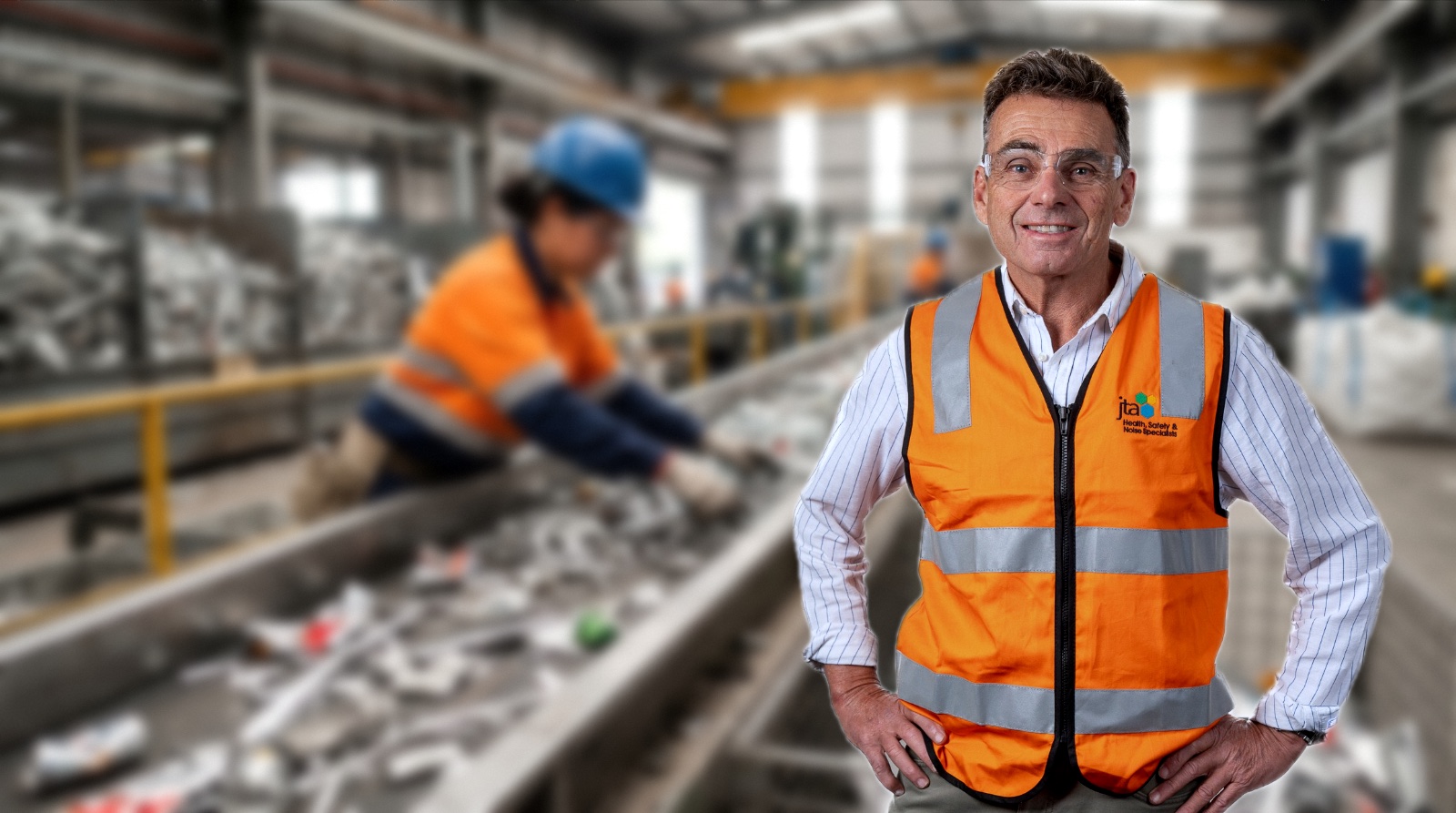
Know what your workers are breathing before the new limits start.
Australia's new Workplace Exposure Limits start on 1 December 2026, and some are ten times lower.
Our occupational hygienists measure the diesel exhaust, dust, fumes and vapours on your site, compare them with the limits for your state, and show you exactly where you stand and what to fix.
Book air monitoring Call 1300 856 282
35+ years protecting Australian workers · 8 offices nationally · ISO 45001, 14001 and 9001 certified · AIOH-member hygienists
We sample the air your workers actually breathe, for the substances your work creates.

Diesel exhaust
Forklifts, depots, loading docks, workshops
Silica dust
Construction, engineered stone, concrete cutting

Welding fume
Fabrication and maintenance workshops

Flour and grain dust
Bakeries, food manufacturing, mills

Wood dust
Joinery, furniture making, construction
Solvents and vapours
Manufacturing, fibreglass, printing

Bitumen fumes
Road works and council crews

Whatever you need measured
Metals, gases, isocyanates and more. Tell us what your work creates.
Silica has its own page: crystalline silica monitoring.
Detect workplace hazards. Protect your people.

We walk your site and pinpoint the tasks most likely to over-expose workers.

A hygienist samples the air in workers' breathing zones across a full shift.

Your report shows each result against your state's limit, and the controls that fix any gaps, highest-order first.

We re-test to prove the controls work, and tell you when to monitor again.
Your report tells you, worker group by worker group, whether you comply and what to do next.
Diesel exhaust by worker group Illustrative example
8-hour average, mg/m³ (as elemental carbon). Not client data. Dashed line: limit 0.01.
Forklift operators 0.018
Dock supervisors 0.009
Workshop mechanics 0.006
Warehouse office 0.002
Jeremy, Jackson, Aaron and Naarah are four of the hygiene leaders and specialists behind our air monitoring work.
Behind them is a growing team of scientists, occupational hygienists, asbestos assessors and acoustic engineers, working from eight offices across Australia. Many of our people have been with JTA for years, some for more than two decades, and our Graduate Program keeps bringing new talent through.
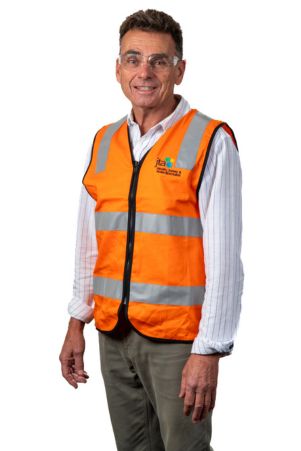
Founder and Principal Occupational Hygienist
Fellow of the AIOH, with decades of hygiene work across defence, government, manufacturing and construction.
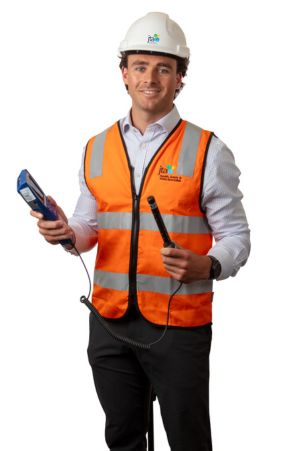
Technical Director
Full Member of the AIOH and a Licensed Asbestos Assessor. Leads JTA's technical work nationally and its Sydney office.
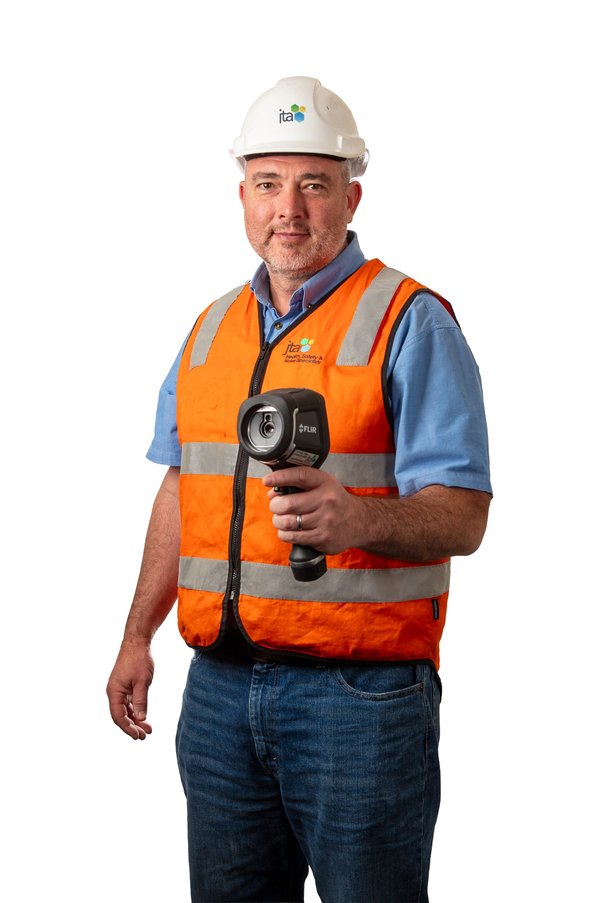
Senior Occupational Hygienist
More than 20 years of airborne contaminant monitoring with JTA.
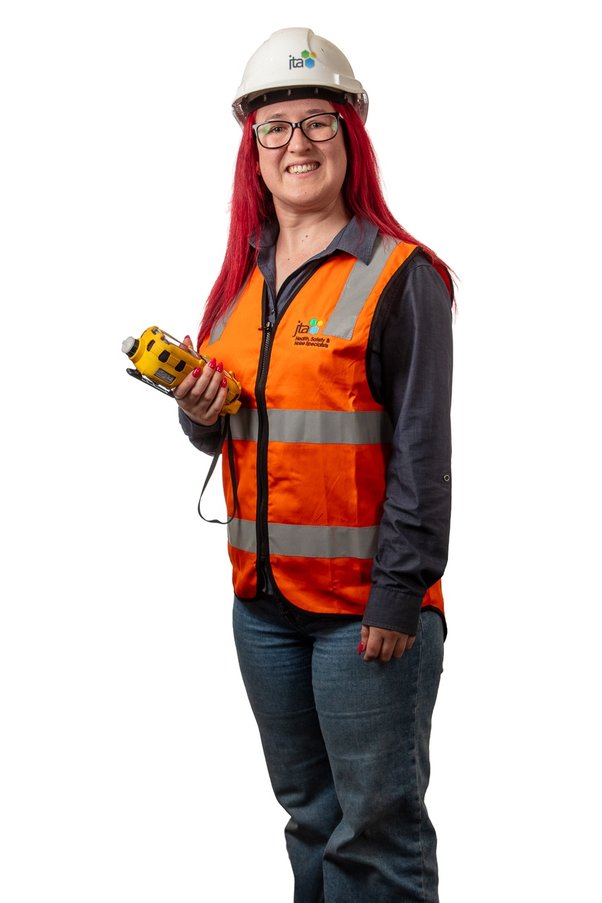
Occupational Hygienist
Monitors exposure to dusts, fumes, gases and vapours.
Most do, but not all. Some states have interim limits or later dates, including for diesel and flour dust. Diesel, for example, is 0.05 mg/m³ in NSW until 30 June 2028, and 0.1 in Victoria and Queensland until 2029. Check your state.
WHS and OHS laws require air monitoring when you're not sure exposures are below the limit, or when you need to know whether there's a risk to health.
No. Air monitoring measures what's in the air your workers breathe. Health monitoring checks the workers themselves, such as lung function for silica. Your air monitoring results show whether health monitoring is needed.
No. Indoor air quality testing checks comfort and building air in offices and schools, such as CO₂, temperature and humidity. See indoor air quality testing.
Related services: Crystalline Silica Monitoring · Occupational Hygiene Assessments · Asbestos Air Monitoring · Indoor Air Quality Testing · WEL Resource Centre
Tell us the task and how many workers are involved. We'll recommend a sampling plan.






Head Office Melboune
139 Ormond Road Elwood, VIC 3184
Mornington Peninsula
20 Lister Avenue,
Sorrento,
VIC 3943
JTA Health, Safety & Noise Specialists acknowledges the Boon Wurrung People of the Kulin Nation as the Traditional Owners and Custodians of the land on which the home of JTA resides. We pay our respects to their Elders past, present and emerging, and acknowledge and uphold their continuing relationship to this land.