Your shopping cart is empty.
16
For more than 35 years, manufacturing companies of all sizes have relied on JTA to minimise their risk exposure and help them to comply with WHS/OHS regulations. We offer a range of manufacturing services that cover practical compliance advice, on-site testing and assessments.

Detect. Protect. JTA helps manufacturers identify workplace hazards, assess worker exposure and choose practical controls to protect their people.
Manufacturing workplaces can involve a wide range of health and safety risks. These include injuries from machinery and equipment, repetitive tasks, exposure to hazardous substances, lifting and moving heavy loads, handling tools and equipment, moving vehicles such as forklifts, noisy machinery, and slips, trips and falls.
Our experienced professionals can assess your workplace and work practices against applicable regulations. They regularly review legislation to keep abreast of changes. With over 35 years' experience, we provide up-to-date, practical advice on compliance requirements and available controls to help you meet your obligations.
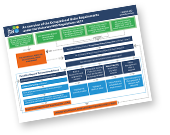
From 1 December 2026, Australia's Workplace Exposure Limits (WELs) will replace the current Workplace Exposure Standards (WES). Manufacturing businesses should review the airborne contaminants relevant to their operations and whether the changes affect their existing exposure assessments and controls.
Detect. Identify the airborne contaminants relevant to your manufacturing activities and assess worker exposure. JTA's manufacturing WEL guidance covers activities such as welding, machining, chemical handling and operating diesel-powered plant.
Protect. Use the assessment findings to review controls such as ventilation, work practices and respiratory protection, and plan any further monitoring needed to check that controls are effective.
View Manufacturing WEL Guidance
Working in food production? Our food manufacturing workplace exposure limit guidance covers flour and ingredient handling, food processing, cleaning, maintenance and other relevant activities.
For an overview of the changes and resources for other industries, visit the Workplace Exposure Limits Resource Centre. Current exposure standards continue to apply until the new limits take effect.
Asbestos is a highly regulated hazardous material, and the regulations are complex. JTA has spent over 35 years working through the regulations and checking specific requirements with the authorities. Following an asbestos audit, we can provide practical compliance advice on removal, enclosure and encapsulation, and recommend safe work practices where materials remain in the workplace.
Our experts in hazardous chemical storage and handling can provide advice on practical compliance options for flammable, corrosive, oxidising and other chemical hazards.
Our occupational hygiene assessments help identify airborne chemical hazards such as dusts, mists, fumes and vapours, and determine whether further exposure monitoring is needed. We have experience with welding fumes, crystalline silica monitoring, diesel emissions, oil mist, acid and alkaline mists, and volatile organic compounds.
We also provide indoor air quality testing to assess air quality concerns within workplace buildings.
Noise-induced hearing loss is a significant occupational health risk. An occupational noise assessment measures worker exposure and helps identify suitable controls. Assessments should be reviewed when workplace conditions change and in accordance with applicable state or territory requirements.
Audiometric testing helps monitor workers' hearing and the effectiveness of noise controls. The workers who require testing and the testing schedule depend on the applicable regulations and workplace noise arrangements. JTA can advise on the requirements relevant to your operation. Our hearing tests are performed on site in our mobile units, helping minimise downtime and disruption.
JTA uses advanced dosimetry equipment in our noise assessments. These dosimeters can record octave band data, audio, vibration and statistical noise levels, supporting a detailed understanding of workplace noise exposure.
Our Occupational Noise Obligations flowchart provides a quick, and easy to use, one page guide to what you need to do to comply with occupational noise requirements under OHS/WHS regulations around Australia.
JTA’s experience includes comprehensive Vibration Assessments of buildings, machinery and plants. We believe it’s essential to identify and understand the root-causes of excessive noise and vibrations to be able to find the most effective solutions for you. Our state of the art noise and vibration monitoring equipment allows us to identify excessive vibrations and provide you with pragmatic recommendations for how to reduce their impact.

Call 1 300 856 282
Speak to our friendly team

Get a Quote
Use our online enquiry form for a quick quote

Newsletter Sign up
Get the latest legislation changes and news updates





Head Office Melboune
139 Ormond Road Elwood, VIC 3184
Mornington Peninsula
20 Lister Avenue,
Sorrento,
VIC 3943
JTA Health, Safety & Noise Specialists acknowledges the Boon Wurrung People of the Kulin Nation as the Traditional Owners and Custodians of the land on which the home of JTA resides. We pay our respects to their Elders past, present and emerging, and acknowledge and uphold their continuing relationship to this land.